
Understanding the psychological triggers that drive gambling behavior
The Allure of Risk and Reward
The fundamental psychological trigger behind gambling behavior often lies in the allure of risk and reward. Humans are inherently drawn to activities that offer the chance to win something significant. This excitement can create a thrill similar to that experienced in high-stakes situations. Gamblers often find themselves in a cycle where the potential for a large payoff overshadows the risks involved, leading to impulsive decisions that are fueled by excitement and anticipation. If you’re interested in trying something new, you can https://plinkoapp.ng/ to explore exciting options.
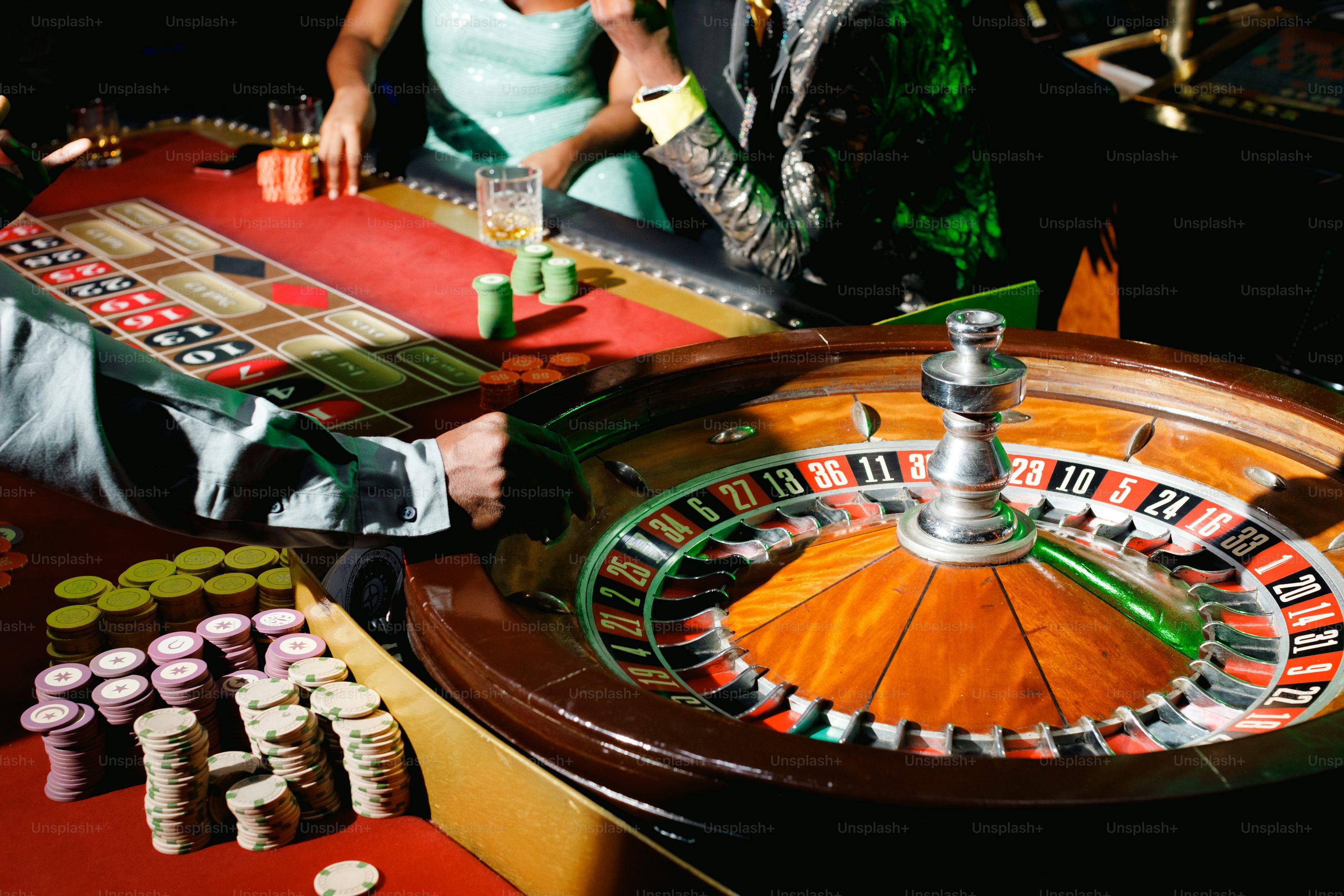
This allure can be intensified by the design of gambling environments, such as casinos and online platforms, where bright lights and sounds create a sense of urgency and elation. Players often feel a rush when they place bets, and this physiological response can reinforce their behavior. When individuals win, their brain releases dopamine, a neurotransmitter associated with pleasure and reward, which can create a compelling desire to continue gambling, reinforcing the cycle of behavior.
Moreover, the concept of ‘near misses’ also plays a significant role in gambling. When players come close to winning but ultimately lose, the emotional response can paradoxically encourage them to gamble more. This feeling of being just one step away from a win can lead to an illusion of control, where gamblers believe they can change their luck through continued play. Understanding these psychological underpinnings can provide insight into why many individuals become drawn to gambling despite the odds being against them.
The Impact of Cognitive Biases
Cognitive biases are systematic patterns of deviation from norm or rationality in judgment, and they significantly impact gambling behavior. One prevalent bias is the illusion of control, where gamblers believe they can influence outcomes through skill or strategy, even in random games. This belief can lead to overconfidence, causing individuals to wager more money than they originally intended, banking on their supposed ability to sway the game’s outcome.
Another common bias is the gambler’s fallacy, where individuals mistakenly believe that past events influence future outcomes in games of chance. For instance, a player might assume that because a particular number hasn’t appeared in a while, it’s ‘due’ to win. This fallacy can drive excessive gambling as players chase perceived patterns that don’t exist. Understanding these biases is crucial for recognizing how they fuel continuous gambling behavior and lead individuals to make irrational decisions.
Finally, the confirmation bias can also come into play. Gamblers often focus on information that confirms their beliefs while ignoring evidence that contradicts them. For example, if a player wins big at a slot machine, they may only remember that win and disregard their previous losses. This selective memory reinforces their belief that they can successfully gamble, driving them to continue playing despite mounting losses. Recognizing these cognitive biases can illuminate the psychological mechanisms at work in gambling behaviors.
The Role of Emotional Regulation
Moreover, social influences can exacerbate these emotional triggers. Being surrounded by peers who engage in gambling can normalize the behavior and create social pressure to participate. This external influence, combined with internal emotional regulation issues, can lead individuals to gamble in ways that they might not otherwise consider, further entrenching their gambling habits. Understanding the interplay between emotional regulation and gambling is crucial for developing strategies to mitigate compulsive behavior.
The Influence of Marketing and Technology

Conclusion and Resources for Responsible Gambling
“`